Before the Tears Came the Fists: How Nitroplus Learned Everything It Knows From Getting Punched
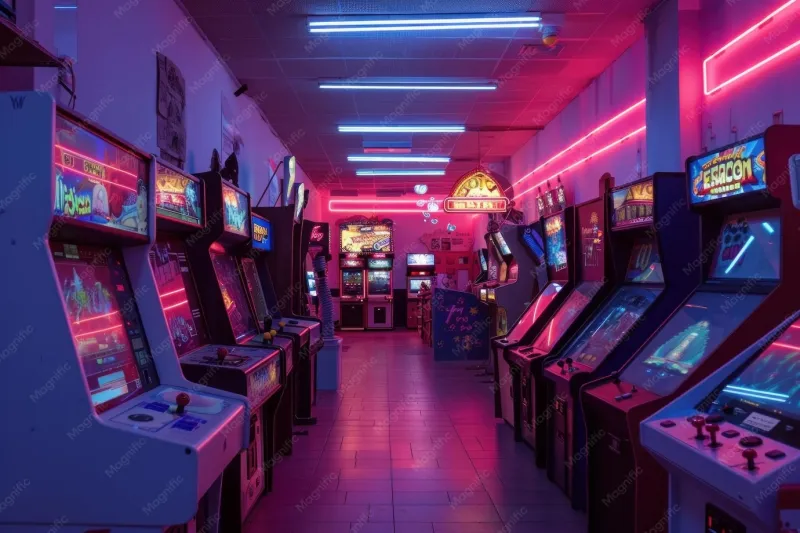
Photo: retro arcade fighting game cabinet neon lights, via img.freepik.com
Ask the average American fan what Nitroplus makes and you'll get one of two answers: "Steins;Gate" or "emotional damage." Fair. The studio's brand in the West is basically a synonym for a crying session with a plot. But somewhere in the back catalog, behind the time travel and the murder mysteries, is a version of Nitroplus that most newcomers have never met — a Nitroplus that made demon-fighting brawlers, blood-soaked browser games, and characters built specifically to get swung at things.
And honestly? That version explains everything else.
The Brawler Era Nobody Mentions
Long before Science Adventure became a household name in English-speaking fandom, Nitroplus was cutting its teeth on action titles. Kikokugai: The Cyber Slayer, Demonbane, Hellsinker-adjacent energy — this was a studio whose early output read like a love letter to arcade brawlers and over-the-top '90s action anime. The tone was less "existential despair" and more "what if a chainsword had feelings and also a tragic backstory."
That DNA never left. It just put on a nicer shirt.
Look at Nitroplus Blasterz: Heroines Infinite Duel, the 2015 crossover fighter from Examu that threw Sonico, Ouka from Phantom of the Inferno, and a whole roster of the studio's women into an anime tag battle. It wasn't a prestige project. It was a studio flexing a muscle it had been building since the beginning: the muscle that says characters are at their best when they're in motion, mid-combo, screen shaking.
Why a Novel Studio Keeps Making Things That Punch Back
Here's the theory: Nitroplus's writing works because the studio understands action. The infamous gut-punches — the Urobuchi special, the route that ruins your week — land harder because the studio treats violence and momentum as narrative tools, not set dressing. You can't write a convincing tragedy about a demon hunter if you don't know what demon hunting feels like at 60 frames per second.
Think about Fate/Zero, Madoka Magica, Phantom of the Inferno — the common thread isn't just despair. It's choreography. Fight scenes in Nitroplus-adjacent work have weight and consequence in a way that pure drama often fakes. That's an action designer's instinct wearing a novelist's coat.
The Collab Web
The studio's action streak also explains its weirdly deep footprint in the fighting game world. Nitroplus characters and designs have surfaced everywhere from Fate crossovers to guest appearances across the anime fighter multiverse — the studio has spent two decades quietly seeding its cast into other people's lobbies. Every time a Nitroplus character shows up in someone else's fighter, it's a reminder that this "visual novel company" has always had arcade blood.
Even the studio's browser and mobile experiments kept the streak alive: brutal difficulty curves, grind-heavy systems, games designed to make you earn your story beats. The tragedy is the reward. The punching is the admission fee.
What This Means for Your Backlog
If you came in through Steins;Gate and never looked sideways at the action shelf, you're missing half the picture. The early brawlers and the crossover fighters aren't deep cuts for completionists — they're the origin story. They're the reason the sad novels hit so hard.
Nitroplus didn't learn to break your heart in a text box. It learned in an arcade, watching the continue screen count down.
The tears came later. The fists came first.