Please Do Not Attempt Saya at a Marriott: A Field Guide to Nitroplus Designs vs. American Con Rules
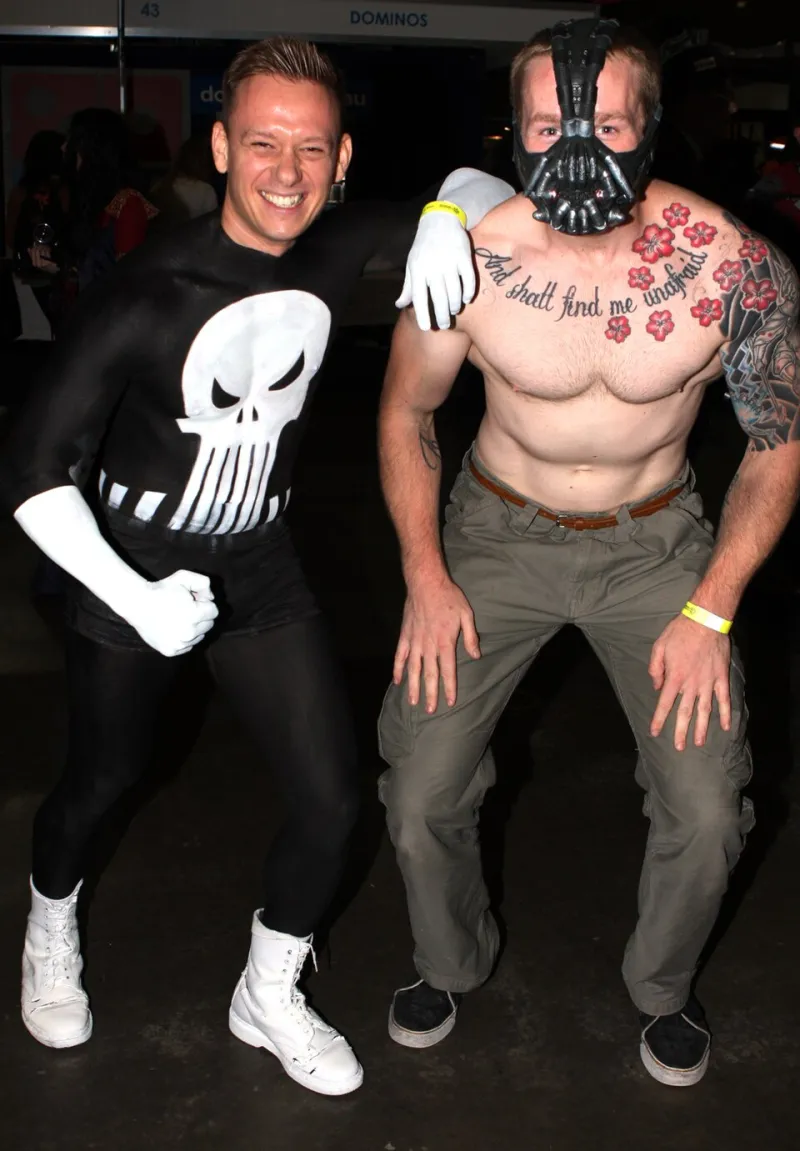
Photo: Eva Rinaldi, CC BY-SA 2.0, via Wikimedia Commons
Every American convention has that one hallway. You know the one — between the artist alley and the panel room where the 18+ panel was quietly moved at the last second. It's the hallway where cultures collide, and nowhere is that collision more spectacular than when someone attempts a Nitroplus design.
The Design Philosophy Problem
Nitroplus characters are not designed to be worn. They're designed to menace. The studio's aesthetic legacy — courtesy of artists like the late Niθ and the visual DNA of properties like Saya no Uta and the Demonbane sphere — leans hard into body horror, intricate armor-slash-bandage configurations, and silhouettes that seem to have been sketched during a fever dream with excellent line control.
Japanese doujin culture, where these designs were born, operates on a different social contract. American conventions, operating out of convention centers with liability lawyers on speed dial, operate on another. When those two contracts meet, somebody's getting a talking-to from a volunteer with a lanyard.
The Rules Gauntlet
Here's the thing most people don't realize: con rules aren't really about content. They're about context. A design that reads as dark fantasy in a hall costume contest reads differently to a hotel guest who wandered out of a wedding reception. Post-pandemic, with cons back at full capacity and venues more skittish than ever, the tolerance window has narrowed further.
The result is a genuinely funny tightrope walk. Cosplayers spend hundreds of hours engineering foam prosthetics and airbrushed bodysuits, only to be asked to add a cover-up before entering the food court. The craft is celebrated; the coverage is negotiated. It's the American way.
Super Sonico: The Diplomatic Passport
And then there's Sonico. Headphones, swimsuit-adjacent-but-actually-fine outfits, guitar, smile that could defuse a board meeting. She is Nitroplus's ambassador to the physical world — the one design you can wear to Anime Expo, a church fundraiser, and your cousin's quinceañera without changing anything except the headphones' color.
There's something almost touching about it. The brand's most commercially dominant mascot is also its most aggressively inoffensive export. Sonico is what happens when a studio famous for cosmic horror looks at the merchandising math and says 'yes, but also plushies.'
The Case for the Minefield
Here's my actual take, though: the friction is the point. Nitroplus designs force American con culture to have the conversations it prefers to have in Discord servers — about where lines are, who draws them, and why a design that's fine on a manga page becomes a situation on a real person in a food court.
Cosplay has always been translation. Translating Nitroplus specifically means negotiating with venue security, community norms, and your own comfort level, all while wearing prosthetics that took nine hours. The cosplayers who pull off these designs — thoughtfully, skillfully, with a cover-up in their bag — are doing some of the most interesting cultural work at any con.
So next con, if you see someone in elaborate Saya-adjacent costuming calmly explaining their outfit to a staff member, show some respect. They're not just wearing a costume. They're conducting diplomacy.