Self-Diagnosis Time: You Might Already Be a Gigalomaniac (Results May Vary)
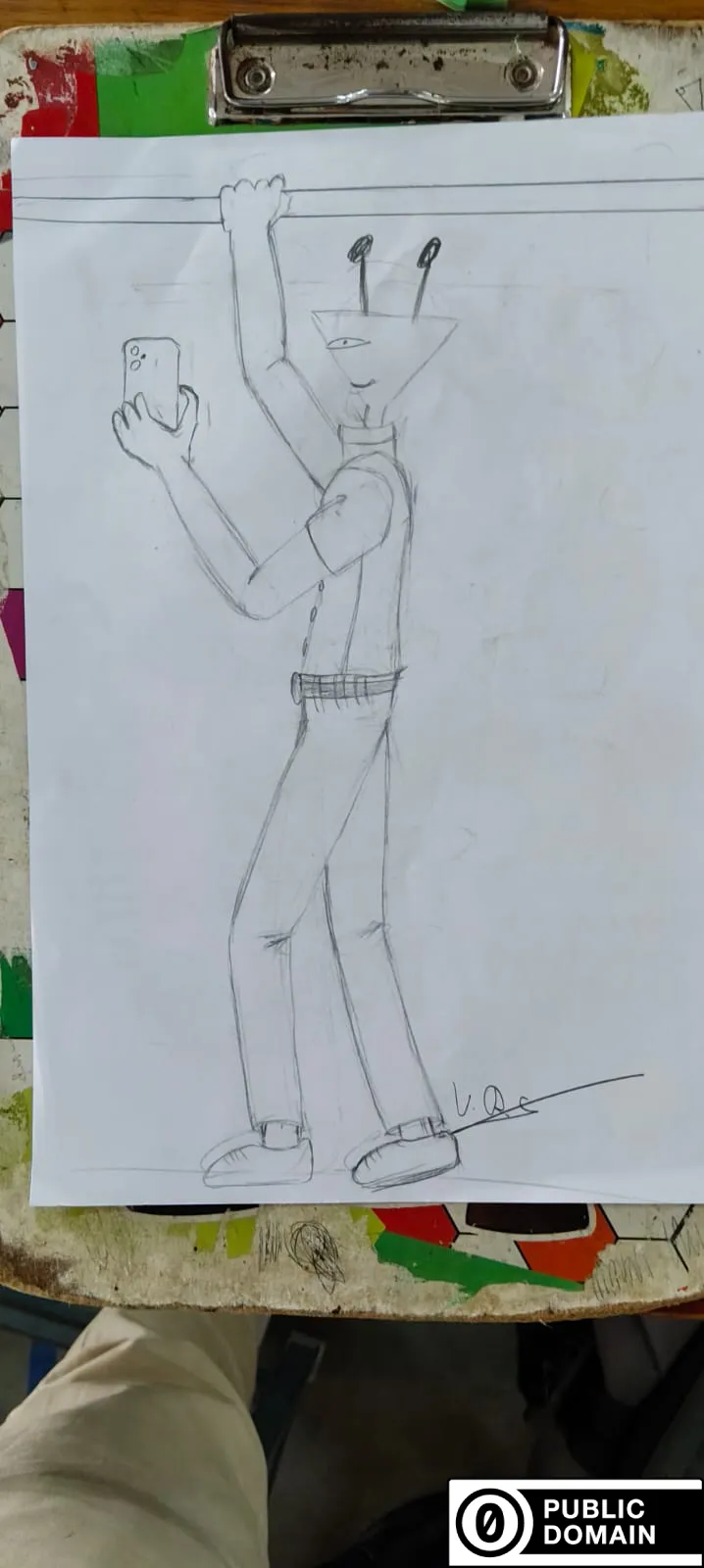
Photo: MeowMeowLimbo, CC0, via Wikimedia Commons
Welcome to the Waiting Room
Pull up a chair. The doctor will see you now, and the doctor is a 2008 visual novel about a shut-in whose delusions become real. Chaos;Head asked a simple question back when MySpace was still relevant: what if the line between perception and reality was just... a suggestion?
Here in 2024 America, we've answered that question with a resounding hold my energy drink. This is your field manual. Read it, check your symptoms, and remember: this is satire, but only mostly.
Symptom One: The Doomscroll (a.k.a. "Forced Delusion Sync")
In Chaos;Head, protagonist Takumi Nishijo receives cryptic news stories before they happen—the mysterious "New Generation Madness" murders arrive on his phone in advance. He reads about horrors before they occur.
Now count how many push alerts you got this morning about things you can't do anything about: a distant disaster, a market dip, a celebrity divorce. You are receiving news about events you cannot perceive, affect, or verify. You are, functionally, reading tomorrow's newspaper with worse grammar.
Diagnosis indicator: If you've ever said "I saw it online so it must be true," congratulations. Your delusion sync is at 60% and climbing.
Symptom Two: The Parasocial Stream (a.k.a. "Your Own Seira-tan")
Takumi has an anime waifu named Seira-tan who talks to him. He's fully aware she's not real. He's also fully committed to the relationship.
Meanwhile, across America, millions of people have a favorite streamer whose name they know, whose schedule they track, and whose birthday they remember—while the streamer doesn't know they exist. We built the Seira-tan system ourselves, except we pay for it with Twitch subscriptions and call it community.
Diagnosis indicator: You've defended a content creator in a comment section like they were a family member. They don't know your name. That's fine. Neither does Seira-tan.
Symptom Three: The Algorithm Rabbit Hole (a.k.a. "Choosing Your Delusion")
Here's where Chaos;Head gets genuinely uncomfortable. The core mechanic of the game is the "delusion trigger"—Takumi can choose positive or negative delusions, and the player picks which reality to believe. Reality is negotiable. You just have to commit.
The YouTube algorithm figured this out years before we did. Watch one video about a conspiracy, and the machine gently hands you another. Ten videos deep, you have a fully customized reality, personally curated, algorithmically reinforced. You chose the positive delusion. Or the negative one. The algorithm didn't care. It just wanted watch time.
Diagnosis indicator: Your "Recommended" feed knows your worldview better than your therapist does.
The Real Diagnosis: Media Literacy Is the Grimoire
Here's the twist the game actually lands on, buried under all the murder-mystery chaos: the ability to see through delusions—to perceive what's actually real—is the rarest power in the story. Most characters never get there.
That's the genuine takeaway hiding in this joke diagnosis. The modern internet hands everyone a reality-distortion device and no instruction manual. The Gigalomaniac skill isn't making delusions real; it's noticing when you're inside one. Ask who benefits from the story you're being told. Check the source before the share. Log off before the rabbit hole gets a lock on your scent.
Final Assessment
Score yourself:
- 0–2 symptoms: Suspicious. Either you're lying or you've already mastered reality. Please share your secrets.
- 3–4 symptoms: Certified delusion trigger veteran. Standard-issue American internet citizen.
- 5+ symptoms: You may already be a Gigalomaniac. Please do not rewrite reality without a permit.
The bad news: there's no cure. The good news: unlike Takumi, you can close the tab. The phone goes face-down. The stream ends. The delusion, for one beautiful moment, stops syncing.
El Psy Kongroo, patient zero. Your follow-up appointment is whenever the algorithm decides.